Many homeowners in Longview notice that their indoor air feels stuffy, heavy, or uncomfortable as soon as winter sets in. When the weather gets colder, most households close their windows, run their heating systems for longer periods, and reduce natural ventilation without realizing how much it affects their indoor air quality. As a result, rooms can start to feel stale, breathing becomes less comfortable, and common irritation symptoms may become more noticeable.
In this blog, we will explain why winter often leads to stuffy indoor air in Longview homes and share simple solutions that make your home feel fresher, healthier, and more comfortable. By understanding how heating systems, humidity levels, and ventilation all play a role in winter air quality, you can take easy steps to improve your home environment during the coldest months of the year.
Why Indoor Air Quality Declines in Winter
Indoor air quality often becomes worse during the winter months because homes are sealed tightly to keep warm air inside. This lack of fresh air circulation allows pollutants, dust, and stale air to build up more quickly than they do during other seasons. When windows stay closed and outdoor air rarely enters the home, the indoor environment becomes more stagnant.
Heating systems also run more frequently in winter. Although they help maintain comfort, they can contribute to stuffy air when filters are dirty or when humidity levels drop. Warm indoor air tends to be drier, especially in Longview’s winter climate, which leads to discomfort, dry throats, and irritated sinuses. This dryness also makes airborne particles stay concentrated in the living space.
Another reason for declining indoor air quality is the increased amount of time families spend indoors. Daily activities such as cooking, cleaning, and using household products add pollutants to the air without adequate ventilation to dilute them. All of these factors combine to create the stuffy feeling many Longview homeowners notice once cold weather arrives.
Common Causes of Stuffy Indoor Air in Longview Homes
Stuffy indoor air often becomes more noticeable in winter because homes stay closed up for long periods. Without regular fresh air exchange, even small issues with airflow or filtration can quickly make rooms feel heavy or stale.
A dirty air filter is one of the most common causes. When a filter is clogged with dust, it restricts airflow and prevents your HVAC system from circulating clean, conditioned air. Blocked or closed vents can create the same problem, especially in rooms far from the main system.
Humidity imbalance also plays a major role. Winter air in Longview is naturally drier, which can irritate your throat and sinuses while making the indoor environment feel stagnant. At the same time, areas like kitchens and bathrooms may trap excess moisture, creating uneven comfort throughout the home.
Other causes include:
- Poor ventilation or very little fresh air entering the house
- Dust buildup inside ductwork
- Air leaks that disrupt proper airflow
- An HVAC system that is overdue for maintenance
When several of these issues occur at once, the home can feel stuffy even if temperatures are comfortable.
The Role of Humidity in Winter Air Comfort
Humidity plays a major role in how indoor air feels during the winter. When outdoor temperatures drop, the air naturally becomes drier. As your heating system warms that dry air inside your home, humidity levels fall even further. Low humidity affects comfort, breathing, and the overall feel of your indoor environment.
When humidity is too low, the air can feel sharp and stale. You may experience dry skin, irritated sinuses, or a scratchy throat. Dry air can also make dust and allergens circulate more easily, which contributes to the stuffy feeling many Longview homeowners notice in winter.
The ideal indoor humidity range is typically between 30 and 50 percent. Staying within this range helps maintain comfortable airflow, reduces irritation, and keeps your home feeling fresh instead of heavy or stagnant. If humidity falls too far below this range, your home may start to feel uncomfortable, no matter how well your HVAC system is running.
Understanding the connection between humidity and comfort is an important step in improving indoor air quality during Longview’s winter season.
Simple Fixes to Improve Airflow and Reduce Stuffy Air
Improving airflow is one of the easiest ways to reduce stuffy indoor air during Longview’s winter months. Small adjustments can make a noticeable difference in how fresh and comfortable your home feels.
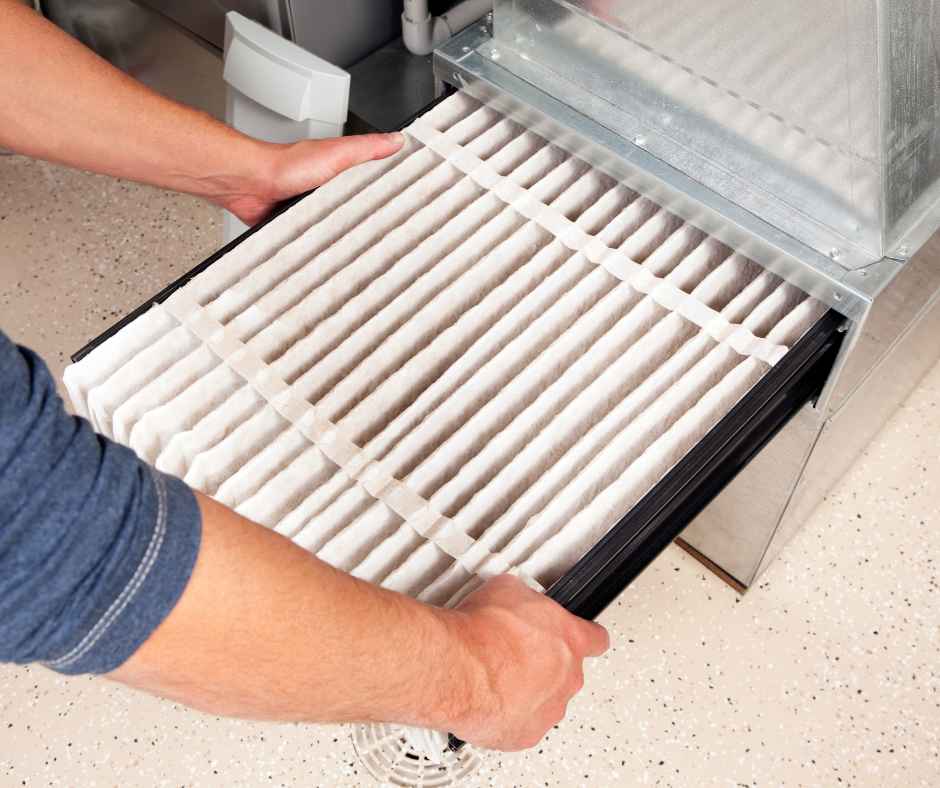
Start by checking your air filter. Replacing a dirty filter improves circulation and helps your HVAC system distribute clean air more efficiently. You should also make sure that supply vents and return vents are fully open and free of furniture, rugs, or other blockages that restrict airflow.
Increasing natural air movement can also help. Opening interior doors allows air to move freely between rooms, and running ceiling fans on a low, clockwise setting helps push warm air downward without creating a draft. Even brief periods of fresh outdoor air, such as cracking a window for a few minutes, can quickly refresh a stale room.
Additional simple fixes include:
- Cleaning dust from vents and grilles
- Adjusting furniture placement to prevent airflow obstructions
- Using kitchen and bathroom exhaust fans to remove stale or humid air
- Keeping HVAC settings consistent to avoid stagnant pockets of air
These easy steps improve circulation throughout your home and help reduce the heavy, stuffy feeling that often appears during winter.
HVAC Maintenance Tips to Improve Winter Air Quality
Regular HVAC maintenance is one of the most effective ways to improve indoor air quality during Longview’s winter season. When your heating system runs for long periods, dust, debris, and buildup inside the equipment can reduce airflow and make your home feel stuffy.
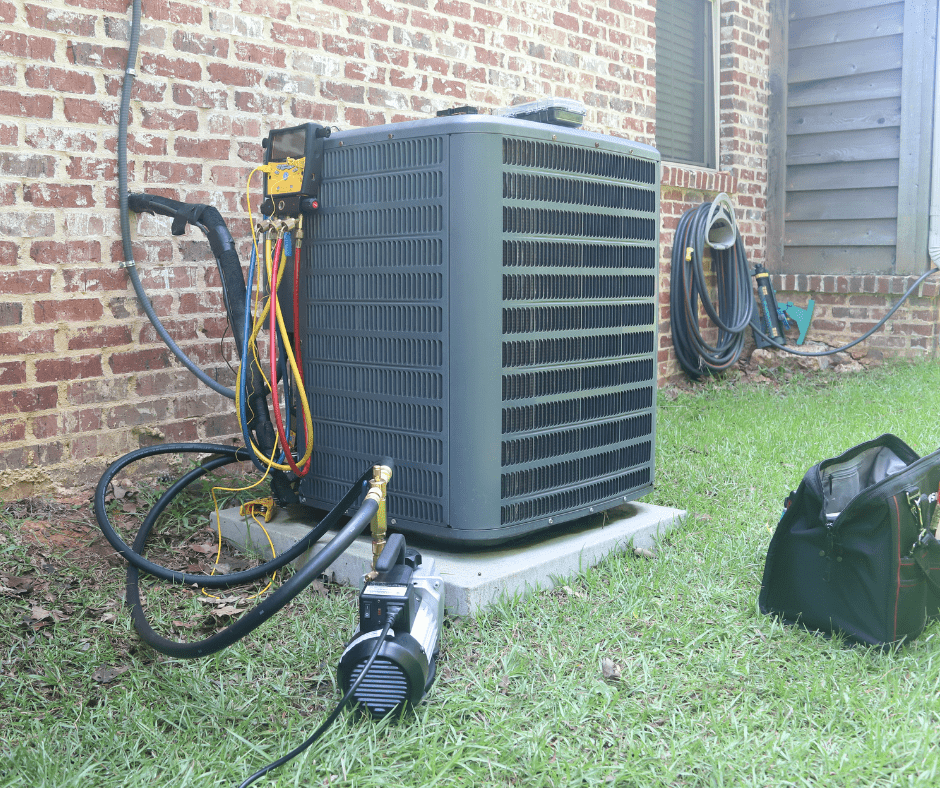
A key step is scheduling a seasonal tune up. During this visit, a technician cleans internal components, checks airflow, inspects ductwork, and verifies that the system is operating efficiently. A clean HVAC system circulates air more effectively and helps prevent the stagnant feeling many homeowners experience in winter.
You can also support better air quality by:
- Cleaning or replacing filters more frequently during heavy heating use
- Checking ductwork for leaks or loose connections that reduce airflow
- Removing dust from registers and return vents
- Ensuring your thermostat is set to keep temperatures consistent
Well-maintained HVAC equipment helps keep indoor air fresher, reduces excessive dust, and supports a comfortable environment even when the house stays closed up for long periods.
When You Should Consider a Whole Home Humidifier
A whole-home humidifier can make a major difference in winter comfort, especially when Longview’s dry winter air leads to irritation and that familiar stale feeling. These systems add the right amount of moisture to your indoor air, helping your home stay within the ideal humidity range even when temperatures drop outside.
You may benefit from a whole-home humidifier if you notice:
- Persistent dry skin or irritated sinuses
- Air that feels heavy, dusty, or stagnant
- Frequent static electricity
- Cracking wood furniture or flooring
- Difficulty maintaining comfortable indoor temperatures
Whole-home humidifiers work directly with your HVAC system, distributing moisture evenly throughout every room. They help maintain better airflow, reduce dryness, and improve overall indoor comfort during winter. They also support your heating system by making warm air feel more comfortable without increasing energy use.
For many Longview homeowners, a whole-home humidifier is a simple and effective solution for improving indoor air quality during the coldest months.
How Fresh Air Ventilation Systems Improve Winter Comfort
Fresh air ventilation systems help reduce the stuffy feeling that many Longview homes experience during winter. Because windows stay closed and outdoor air has fewer entry points, indoor air can become stale quickly. A ventilation system brings in controlled amounts of fresh air while removing pollutants, helping the home feel cleaner and more comfortable.
Energy recovery ventilators and heat recovery ventilators are popular options. These systems exchange stale indoor air with fresh outdoor air while capturing heat from the outgoing air. This helps maintain indoor temperatures and reduces the energy loss that would occur by opening windows during cold weather.
Benefits of installing a fresh air ventilation system include:
- Reduced buildup of stale or stagnant air
- Improved removal of pollutants and odors
- Better humidity balance throughout the home
- More consistent and comfortable airflow
- Greater overall indoor air quality during winter
By improving air exchange without sacrificing energy efficiency, these systems offer a reliable way to refresh indoor air during the winter season.
Improve Winter Air Quality for a More Comfortable Longview Home
Stuffy indoor air is a common winter challenge for Longview homeowners, but it does not have to affect your comfort all season long. By addressing airflow issues, maintaining proper humidity levels, improving ventilation, and keeping your HVAC system in good condition, you can create a fresher and healthier indoor environment even when your home stays closed up in colder weather.
Simple adjustments, regular maintenance, and the right upgrades can make a noticeable difference in how your home feels during winter. If you need help improving indoor air quality or want expert guidance on the best solutions for your home, the team at Alco Air is here to help. For reliable service and winter comfort solutions you can trust, contact us today.
Frequently Asked Questions
Why does my home feel stuffier at night in winter?
Homes often feel stuffier at night because heating systems cycle more frequently, windows remain fully closed, and people gather in shared spaces, which reduces airflow and increases indoor pollutants.
Can houseplants help improve winter air quality?
Houseplants can help add a small amount of moisture to dry winter air and may improve the feel of a space, but they are not a replacement for proper ventilation or HVAC maintenance.
How often should I change my air filter during winter in Longview?
Most homes benefit from changing air filters every one to two months in winter, especially when the heating system runs continuously.
Will opening a window for a few minutes really help with stuffy air?
Yes. Even a short burst of fresh outdoor air can break up stagnant indoor air and improve circulation without significantly lowering indoor temperatures.
Can cooking and showering make indoor air feel stuffy?
Cooking and showering release heat and moisture, which can contribute to stale or heavy air when ventilation is limited. Using exhaust fans helps reduce these effects.
Why does my home feel stuffier at night in winter?
Homes often feel stuffier at night because heating systems cycle more frequently, windows remain fully closed, and people gather in shared spaces, which reduces airflow and increases indoor pollutants.
Can houseplants help improve winter air quality?
Houseplants can help add a small amount of moisture to dry winter air and may improve the feel of a space, but they are not a replacement for proper ventilation or HVAC maintenance.
How often should I change my air filter during winter in Longview?
Most homes benefit from changing air filters every one to two months in winter, especially when the heating system runs continuously.
Will opening a window for a few minutes really help with stuffy air?
Yes. Even a short burst of fresh outdoor air can break up stagnant indoor air and improve circulation without significantly lowering indoor temperatures.
Can cooking and showering make indoor air feel stuffy?
Cooking and showering release heat and moisture, which can contribute to stale or heavy air when ventilation is limited. Using exhaust fans helps reduce these effects.