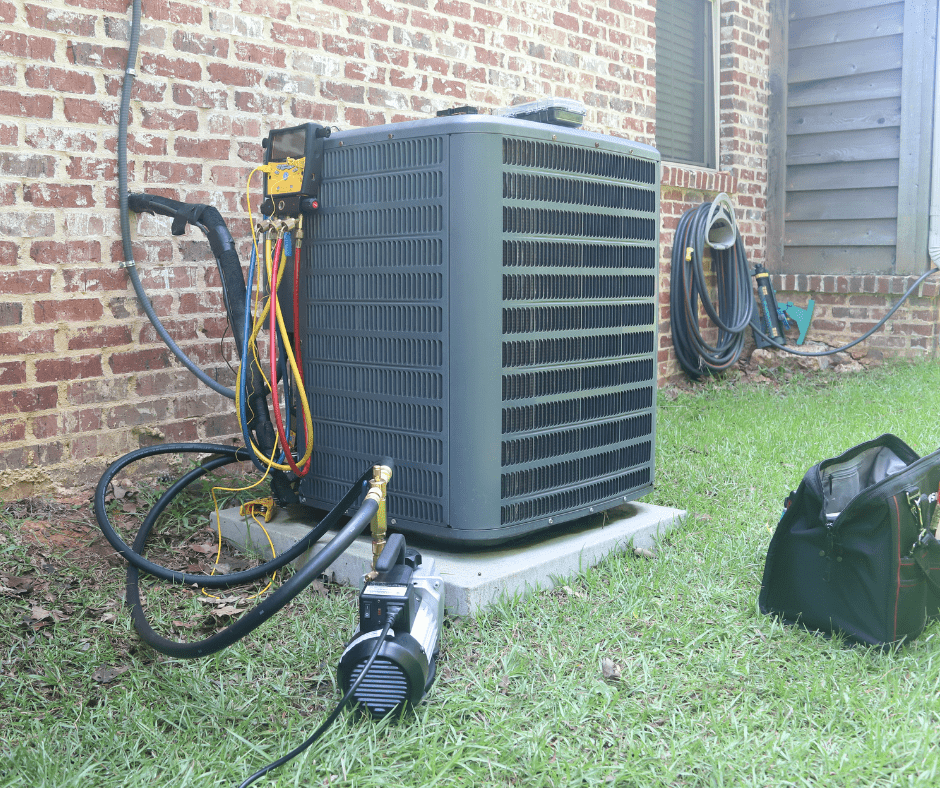
East Texas is famous for its towering pines and lush landscapes, but these same features create a grueling environment for home comfort systems. Residents in cities like Longview and Tyler understand that a functioning air conditioner is not a luxury. It is a necessity for survival during the sweltering summer months. The combination of intense heat and persistent humidity creates a heavy workload for any mechanical system. Because the equipment has to work so hard to maintain a comfortable indoor temperature, the standard national averages for equipment longevity often do not apply to our specific region.
In this blog, we will examine the unique environmental factors that dictate the lifespan of your heating and cooling equipment in East Texas. We will also provide insights into the specific warning signs of a failing system and offer professional advice on extending the life of your investment. Whether you are curious about a decade-old unit or you just moved into a new property, knowing what to expect from your HVAC system is vital for long-term peace of mind.
Average HVAC Lifespan Expectations in East Texas
When homeowners ask about the durability of their equipment, they often hear that a quality system should last between fifteen and twenty years. While this may be true in milder climates, the reality for an East Texas HVAC system is often quite different. In our region, the average lifespan for a central air conditioning unit typically falls between ten and fifteen years. This shorter window is a direct result of the high operational hours required to combat the local heat.
The following factors influence these general expectations for regional equipment:
- System Type: Heat pumps and traditional central air units may exhibit slightly different wear patterns, but both are subject to similar environmental stress in the Piney Woods.
- Usage Patterns: Because we experience long cooling seasons that can stretch from April to October, East Texas units often run for twice as many hours per year as systems in the northern United States.
- Installation Quality: A system that was not sized correctly for the home’s square footage will cycle more frequently. This leads to premature component failure regardless of the brand name on the cabinet.
Understanding that your unit has a localized “expiration date” helps you avoid being caught off guard when a major repair arises. While some well-maintained systems can exceed fifteen years, it is wise to begin budgeting for a replacement once your equipment reaches its tenth anniversary.
Localized Factors That Shorten System Life
While standard wear and tear affects every mechanical system, East Texas presents specific environmental stressors that accelerate aging. The combination of our geographic location and local biology creates a uniquely challenging environment for your equipment. Understanding these specific factors is the first step toward protecting your system from premature failure.
The following environmental conditions are the primary drivers of equipment degradation in our region:
- Corrosive Humidity Levels: East Texas humidity often reaches 100% in the summer. This forces your system to remove gallons of water daily. Excessive moisture leads to biological growth on evaporator coils. It also causes copper and aluminum components to oxidize and leak over time.
- Pine Pollen and Organic Debris: Spring pollen creates a sticky layer on your outdoor condenser. This coating traps heat, making the unit work much harder. Pine needles can also fall into the cabinet, trapping moisture against the base. This leads to rust and eventual fan obstructions.
- Intense Thermal Stress: High summer temperatures increase internal compressor pressure. This puts massive strain on the most expensive part of your system. Extreme heat can also break down vital lubricants. Without proper oiling, the compressor may seize entirely during a heatwave.
- Frequent Electrical Cycling: Constant operation wears out electrical parts quickly. Capacitors and contactors fail more often in hot, humid climates. These components struggle to handle the heavy electrical load required to maintain a cool home. They often burn out during the most demanding weeks of the year.
Signs Your East Texas HVAC System Is Nearing the End
Knowing when to move from repairs to a full replacement is a critical part of homeownership in the Piney Woods. Because our climate is so demanding, symptoms of failure often appear quickly once a unit reaches the end of its functional life. Watching for these red flags can save you from a complete system breakdown during a triple-digit heatwave.
Keep an eye out for these specific indicators that your equipment is struggling:
- Rising Energy Costs: Your electric bills increase even if your cooling habits stay the same. Older units lose efficiency each year. They must run for much longer cycles to reach your thermostat’s setting.
- Strange Noises and Odors: Squealing or grinding sounds usually indicate motor or bearing issues. A musty or “dirty sock” smell points to biological growth in the system. These sounds and scents are clear signs of internal mechanical distress.
- Frequent Service Calls: You should not need to call a technician more than once a year for a tune-up. If you are paying for multiple repairs in a single season, your unit is failing. These costs often exceed the value of a new system.
- Difficulty Removing Humidity: A healthy AC should keep your indoor air crisp and dry. If the air feels heavy or your windows are foggy, the system is losing its dehumidification power. This is a common symptom of an aging or clogged evaporator coil.
- The System Age: Look at the manufacture date on the nameplate of your outdoor unit. If the system is over twelve years old, it is in the “danger zone” for East Texas. Most regional units do not provide reliable service past the fifteen-year mark.
Strategies to Maximize Your System’s Longevity
While the Texas heat is relentless, you are not powerless against it. You can take specific steps to help your HVAC system beat the odds and last as long as possible. A proactive approach reduces strain on your compressor and prevents electrical components from burning out prematurely.
- Schedule Semi-Annual Maintenance: Professional tune-ups are the best way to catch small issues before they become disasters. A technician can clean the coils and check refrigerant levels to ensure peak efficiency.
- Change Filters Monthly: Dusty filters restrict airflow, forcing the blower motor to work harder. In East Texas, pollen and pet dander can clog a filter very quickly. High-quality filters keep your indoor air cleaner and protect your equipment.
- Keep the Outdoor Unit Clear: Trim back any bushes or weeds growing around your condenser. The system needs at least two feet of clear space to “breathe” properly. Removing pine needles and debris from the top of the unit also prevents rust.
- Use a Programmable Thermostat: Reducing the cooling load when you are away from home gives the system a much-needed break. Avoid extreme temperature swings, as these can cause the system to work in “overdrive” for hours.
Planning for Long-Term Comfort
Navigating the extreme heat of East Texas requires a system that is up to the challenge. While our environment is tough on equipment, knowing the average lifespan of an HVAC unit helps you plan ahead. Prioritizing seasonal maintenance ensures your home remains a sanctuary from the elements.
When you need a new installation, choose a team that knows the unique needs of the Piney Woods. At Alco Air, we are committed to keeping Longview and Tyler comfortable for years to come. Contact us today to schedule your next inspection.
Frequently Asked Questions (FAQ)
Does a heat pump last as long as a traditional AC and furnace?
Heat pumps often have shorter lifespans in our region. They run year-round for both heating and cooling. A traditional furnace only runs for a few months during the winter. This constant use means the heat pump compressor never gets a true off-season break.
Is it worth repairing a ten-year-old system?
It depends on the specific repair cost. If the fix costs more than half the unit’s value, we suggest replacement. Newer models offer much better energy efficiency. They also come with full manufacturer warranties for your peace of mind.
Will an oversized system last longer?
No, an oversized unit will actually fail sooner. It will short-cycle, which means it turns on and off too often. This puts extra stress on the electrical parts and the compressor. Proper sizing is the most important factor for equipment longevity.
Does pollen really impact my monthly cooling bill?
Pollen acts as a sticky insulator on your outdoor coils. This prevents the unit from efficiently releasing heat. A dirty coil makes your system run much longer to cool the home. This raises your electricity bill during spring and summer.
Can humidity cause my indoor unit to rust?
Yes, high humidity causes constant condensation on the internal coils. If the system is not cleaned regularly, this moisture leads to corrosion. Over time, the copper tubing will thin and develop refrigerant leaks. Regular maintenance helps prevent this type of environmental damage.
Does a heat pump last as long as a traditional AC and furnace?
Heat pumps often have shorter lifespans in our region. They run year-round for both heating and cooling. A traditional furnace only runs for a few months during the winter. This constant use means the heat pump compressor never gets a true off-season break.
Is it worth repairing a ten-year-old system?
It depends on the specific repair cost. If the fix costs more than half the unit’s value, we suggest replacement. Newer models offer much better energy efficiency. They also come with full manufacturer warranties for your peace of mind.
Will an oversized system last longer?
No, an oversized unit will actually fail sooner. It will short-cycle, which means it turns on and off too often. This puts extra stress on the electrical parts and the compressor. Proper sizing is the most important factor for equipment longevity.
Does pollen really impact my monthly cooling bill?
Pollen acts as a sticky insulator on your outdoor coils. This prevents the unit from efficiently releasing heat. A dirty coil makes your system run much longer to cool the home. This raises your electricity bill during spring and summer.
Can humidity cause my indoor unit to rust?
Yes, high humidity causes constant condensation on the internal coils. If the system is not cleaned regularly, this moisture leads to corrosion. Over time, the copper tubing will thin and develop refrigerant leaks. Regular maintenance helps prevent this type of environmental damage.