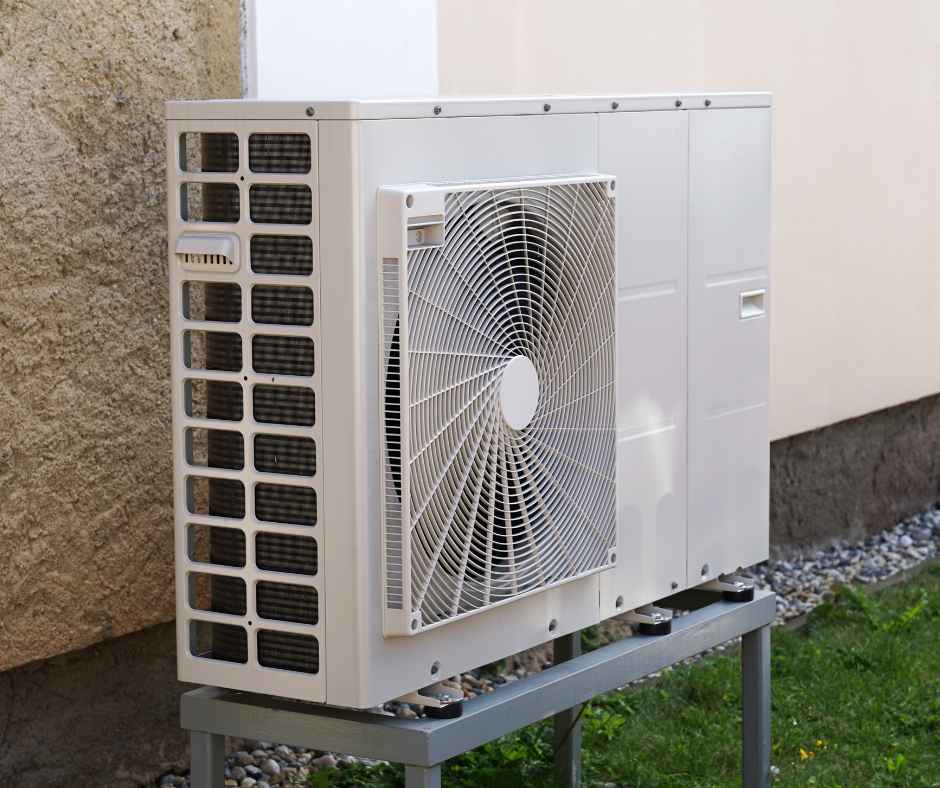
Waking up to a frost-covered yard in Longview often brings a specific kind of frustration for homeowners: a heating system that seems to be working hard but barely keeping up. In East Texas, where humidity is high and mornings are damp, heat pumps operate under conditions that differ significantly from those of a traditional gas furnace. If you have noticed your vents blowing lukewarm air or seen strange “smoke” rising from your outdoor unit during a chilly sunrise, you aren’t alone.
In this guide, we will explore why your heat pump struggles on cold Longview mornings and how you can ensure your system is performing at its absolute best.
Physics vs. Frost: How Heat Pumps Move Energy
To understand why your heat pump behaves differently from a traditional furnace, you have to look at how it creates warmth. A gas furnace generates heat by burning fuel, creating a “blast” of hot air that can reach 140 degrees. In contrast, a heat pump does not generate heat. Instead, it uses electricity to move heat from the outdoor air into your home. Even when it is cold outside in Longview, thermal energy remains in the air. The heat pump’s refrigerant absorbs this energy, compresses it to increase its temperature, and releases it through your indoor vents.
Because heat pumps are designed for steady efficiency rather than raw power, the air coming out of your vents usually feels much closer to your body temperature. While a furnace delivers a hot surge of air, a heat pump typically provides air between 90 and 100 degrees. Since your skin is approximately 98.6 degrees, this air can actually feel “cool” or lukewarm to the touch, even though it is effectively warming your home. This is a fundamental characteristic of the technology and a sign that the system is operating as intended.
- Refrigerant Expansion: The system drops the temperature of the outdoor coils below the ambient air temperature to “trick” heat into moving toward the refrigerant.
- Compression Cycle: Once heat is absorbed, the compressor compresses the refrigerant, which naturally raises its temperature.
- Steady Delivery: Heat pumps operate in longer cycles than furnaces, maintaining a consistent temperature without the “hot and cold” swings.
- Ambient Limits: As temperatures in East Texas drop toward freezing, there is less heat available for the pump to move, which slows the process.
Understanding this difference helps shift your expectations of what “working” looks like. A heat pump is a marathon runner, not a sprinter. It focuses on maintaining a constant, comfortable level of warmth by circulating large volumes of air at a lower temperature. This method is highly efficient for our climate, but it means you won’t experience the same scorching heat at the register as you might in an older home with a gas-fired system.
The Defrost Cycle: Steam, Noises, and Mild Panic
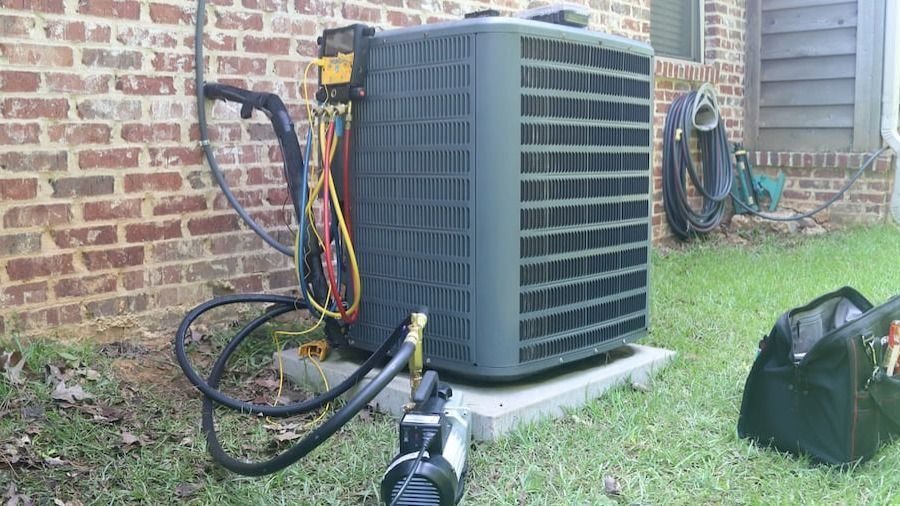
On a cold, humid morning in Longview, your heat pump may suddenly perform a series of actions that seem alarming if you aren’t familiar with the “defrost cycle.” As the system pulls heat from the damp East Texas air, moisture naturally freezes on the outdoor coils. If this frost builds up, it acts as an insulator, preventing the refrigerant from absorbing additional heat. To address this, your heat pump is designed to periodically operate as an air conditioner for a few minutes. This reverses the flow of hot refrigerant back to the outdoor coils, melting the ice.
This process often triggers a “mild panic” among homeowners because it can look and sound like something is wrong. You might hear a loud whoosh or a clunking sound as the reversing valve shifts positions. The outdoor fan will stop spinning to allow the coils to heat up faster, and you will likely see a thick plume of white vapor rising from the unit. This is not smoke; it is simply steam created by the melting frost hitting the warm coils.
- The Loud Whoosh: This is the sound of the reversing valve shifting the direction of the refrigerant to begin the melting process.
- The Steam Cloud: On a damp East Texas morning, the rapid melting of ice produces a significant amount of water vapor that can look like smoke.
- The Fan Pause: The outdoor fan shuts off during defrost to keep the heat concentrated on the coils rather than blowing it away.
- Cool Indoor Air: For a few minutes, you may feel cooler air coming from your vents while the heat is diverted to the outdoor unit.
It is important to let the defrost cycle run its course. Interrupting it by turning off the thermostat will only leave the ice on the coils, eventually causing the system to freeze into a solid block. A normal cycle should only last between five and fifteen minutes. Once the sensors detect that the coils are clear, the system will shift back into heating mode, the fan will restart, and your home will return to its steady warming cycle.
Supplemental Heat: When the “Strip Heat” Kicks In
When those East Texas temperatures drop below the mid-30s, your heat pump might need a little help. Most systems in Longview are equipped with “supplemental” or “emergency” heat, often referred to as electric heat strips. These are essentially large coils inside your indoor air handler that glow red-hot to provide an extra boost of warmth. When your heat pump realizes it can no longer pull enough heat from the freezing outdoor air to meet your thermostat’s demand, it automatically engages these strips.
You will know the supplemental heat is active when you feel the “hot” air coming from the vents, and a light on your thermostat may appear labeled “AUX” or “HEAT 2.” While this helps keep your home warm during a cold snap, it comes at a cost. Electric resistance heat is significantly less efficient than the heat pump’s compressor cycle. If your heat strips are running constantly, you will likely notice a significant jump in your monthly electric bill.
- The 2-Degree Rule: Many thermostats are programmed to activate the heat strips if the indoor temperature is more than 2 degrees below the set point.
- The “Burning” Smell: If it’s the first cold morning of the year, you might smell a dusty, burning scent when the strips engage; this is simply the unit burning off dust that settled over the summer.
- Defrost Support: The heat strips also turn on during the defrost cycle to temper the cool air being blown into your home while the outdoor unit melts its ice.
- Emergency Mode: If your outdoor unit fails completely, you can manually switch to “Emergency Heat” to stay warm, though this should only be a temporary fix.
To keep your costs down, try to avoid “cranking up” the thermostat by several degrees at once. If you raise the temperature gradually, the heat pump can often keep up on its own without needing the power-hungry heat strips. Understanding that these strips are a backup system, not the primary source of heat, will help you manage your home’s energy consumption while staying cozy on those rare East Texas “freezes.”
Why Humidity Makes Cold Mornings Harder
In East Texas, a “dry cold” is rare. Our mornings are often thick with fog or high humidity, and this moisture significantly impacts your heat pump’s struggles. Humidity acts as fuel for frost. When the air is saturated with water vapor, it condenses and freezes on your outdoor coils much faster than it would in a drier climate. This means your system has to enter the defrost cycle more frequently, spending more time melting ice and less time heating your home.
This is why a 35-degree morning in Longview can actually be harder on your HVAC system than a 25-degree morning in a desert climate. The “sticky” cold of the Piney Woods forces the mechanical components to work overtime just to keep the coils clear. If your system is already low on refrigerant or has dirty coils, this extra moisture can lead to a complete “freeze-over,” where the unit becomes encased in a block of ice that the defrost cycle cannot melt.
- Increased Frost Accumulation: High humidity provides a constant supply of moisture that freezes as soon as it contacts the cold coils.
- Reduced Efficiency: As frost accumulates, it restricts airflow through the outdoor unit, making it harder for the refrigerant to absorb heat.
- Frequent Cycling: You may notice the system turning on and off more frequently as it alternates between heating your living room and defrosting its components.
- Thermal Conductivity: Moist air transfers heat differently than dry air, often making the outdoor environment feel “colder” to the machine than the thermometer suggests.
Managing this humidity-driven stress is all about maintaining clear airflow. If your outdoor unit is surrounded by dense shrubs or covered in pine needles, moisture becomes trapped, accelerating icing. Keeping the area around your heat pump clear allows the East Texas breeze to help whisk away moisture and improve the efficiency of the defrost cycle, ensuring your system spends more time keeping you warm and less time fighting the fog.
Optimizing Your System for East Texas Winters
Because heat pumps in Longview face the dual challenge of frost and high humidity, they require slightly more attention than a standard air conditioner. The best way to prevent heat pump struggles is through proactive maintenance that focuses on the system’s ability to breathe and transfer heat. A system clogged with dirt or restricted by low refrigerant will fail to clear frost effectively, resulting in a “frozen” unit that leaves you in the cold. By taking a few simple steps before the temperature drops, you can ensure your system remains a reliable source of warmth all season long.
Optimizing your system isn’t just about preventing a breakdown; it’s about saving money. When a heat pump is operating efficiently, it requires less use of the expensive supplemental heat strips. A well-maintained unit can often handle a 35-degree Longview morning without ever needing to kick into “AUX” mode, keeping your electric bills manageable even during the coldest weeks of January and February.
- Coil Cleaning: Ensure outdoor coils are free of dirt, pine needles, and grass clippings to maximize heat absorption.
- Filter Consistency: Use high-quality filters and change them every 30 to 60 days to prevent the indoor blower motor from overworking.
- Leveling the Unit: Check that your outdoor unit hasn’t tilted or sunk into the East Texas clay; a level unit is essential for proper drainage during the defrost cycle.
- Refrigerant Calibration: Have a professional check your refrigerant levels; even a slight “under-charge” can cause the outdoor coils to freeze over prematurely.
Addressing these small details ensures your heat pump can perform its heating “marathon” with ease. At Alco Air, we recommend a precision tune-up to catch these issues before the first frost hits. By preparing your equipment for the specific demands of our humid East Texas environment, you can enjoy consistent, efficient warmth and avoid the stress of a sudden heating emergency on a frigid morning.
Reliable Winter Comfort with Alco Air
At Alco Air, we’ve been helping Longview families navigate the unique challenges of East Texas weather for decades. We know that a heat pump isn’t just a piece of equipment; it’s the heart of your home’s comfort. Our NATE-certified technicians are experts in heat pump technology, specializing in the diagnostics and maintenance required to keep these systems running efficiently in our humid, frosty climate. Whether your system is making strange noises in the morning or your energy bills are higher than they should be, we have the tools and experience to provide a clear, honest solution.
We pride ourselves on our deep roots in the Longview community and our commitment to “best-in-class” service. We don’t believe in one-size-fits-all fixes; instead, we provide personalized recommendations tailored to your heating system’s age and model. When you partner with Alco Air, you’re choosing a team that values your comfort and safety above all else. Let us help you take the guesswork out of your winter heating so you can focus on enjoying the season.
Is your heat pump struggling to keep up with the cold Longview mornings? Contact Alco Air today to schedule your precision heating tune-up and ensure your home stays cozy all winter long!
Frequently Asked Questions
Why does my heat pump blow cool air sometimes?
If your system is in “Defrost Mode,” it may blow cool air for a few minutes while it melts ice off the outdoor unit. It could also be that the air is simply 90 degrees, which is warmer than the room, but cooler than your 98.6-degree body temperature.
How do I know if the steam from my unit is actually smoke?
Steam dissipates quickly into the air and doesn’t have a strong odor. Smoke will linger, often has a gray or black tint, and will smell like burning plastic or electrical components. If you smell burning, turn off the system and call us immediately.
Should I cover my outdoor unit to keep the frost off?
No. Your heat pump needs to pull air from the environment to work. Covering it will cause it to overheat and fail. The system is designed to live outdoors and handle frost through its own defrost cycle.
Is it normal for my electric bill to double in the winter?
If your system is relying heavily on “Supplemental” or “Auxiliary” heat strips due to extreme cold or a mechanical issue, your bill will rise significantly. Regular maintenance helps keep the system running on the more efficient compressor cycle longer.
What should I do if my outdoor unit is completely encased in ice?
Turn the thermostat to “Emergency Heat” or “Off” and call Alco Air. Do not try to hack the ice off with a shovel or sharp object, as you can easily puncture the delicate refrigerant coils.
Why does my heat pump blow cool air sometimes?
If your system is in “Defrost Mode,” it may blow cool air for a few minutes while it melts ice off the outdoor unit. It could also be that the air is simply 90 degrees, which is warmer than the room, but cooler than your 98.6-degree body temperature.
How do I know if the steam from my unit is actually smoke?
Steam dissipates quickly into the air and doesn’t have a strong odor. Smoke will linger, often has a gray or black tint, and will smell like burning plastic or electrical components. If you smell burning, turn off the system and call us immediately.
Should I cover my outdoor unit to keep the frost off?
No. Your heat pump needs to pull air from the environment to work. Covering it will cause it to overheat and fail. The system is designed to live outdoors and handle frost through its own defrost cycle.
Is it normal for my electric bill to double in the winter?
If your system is relying heavily on “Supplemental” or “Auxiliary” heat strips due to extreme cold or a mechanical issue, your bill will rise significantly. Regular maintenance helps keep the system running on the more efficient compressor cycle longer.
What should I do if my outdoor unit is completely encased in ice?
Turn the thermostat to “Emergency Heat” or “Off” and call Alco Air. Do not try to hack the ice off with a shovel or sharp object, as you can easily puncture the delicate refrigerant coils.